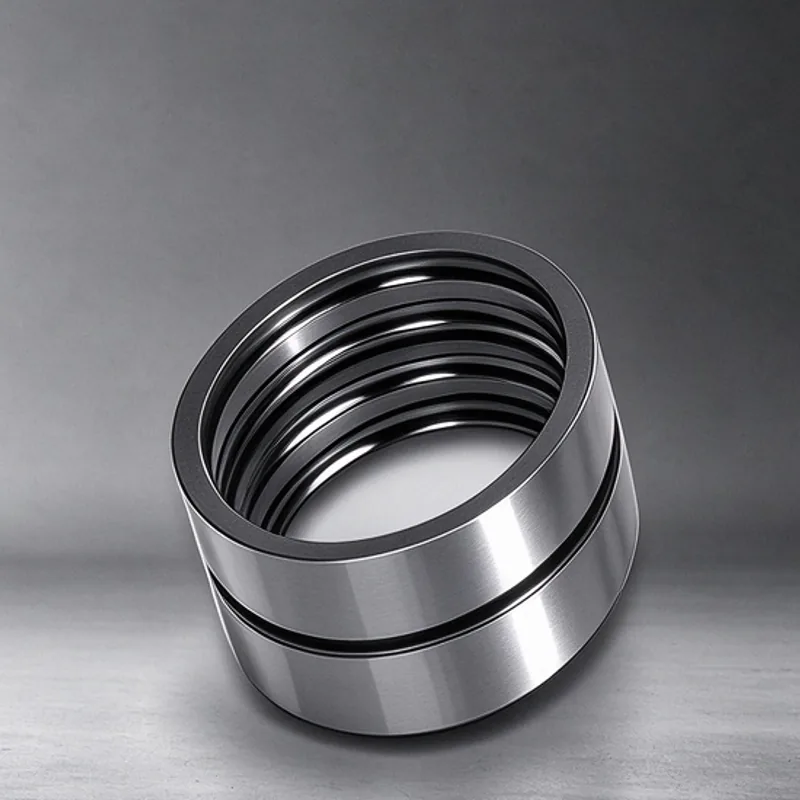
42CrMo is a chromium-molybdenum alloy steel commonly selected for mechanically loaded parts. For ring roller mill wear components, it offers a practical balance of strength, toughness and hardenability when the material, heat treatment and machining specification are controlled together.
Why 42CrMo suits grinding wear parts
The chromium and molybdenum content supports hardenability and helps the steel respond consistently to heat treatment. This allows manufacturers to target the hardness and toughness needed for different working loads. The objective is not simply maximum hardness: a roller or ring must resist wear while also tolerating impact and maintaining structural integrity.
Where 42CrMo is used in this range
- Grinding rollers: transfer pressure to the material bed and experience repeated mechanical loading.
- Grinding rings: provide the working surface against which the rollers apply pressure.
- Shaft pins: locate and connect the roller assembly, so dimensional accuracy and strength both matter.
For the 42CrMo parts listed on this site, tensile strength is 1350–1360 N/mm² and yield strength is 1181–1191 N/mm². Elongation is 13–14.5%, with impact values of 80–84 J per mill certificate. Material certificates are available on request.
Material grade is only one part of the specification
Two parts made from the same nominal grade can perform differently if heat treatment, hardness, machining tolerance or surface condition differs. When requesting a replacement, confirm any required hardness range, drawing revision, mating dimensions and working conditions. This is especially important when the part will be used with abrasive raw material or in a high-load operating condition.
What to send with a material-specific inquiry
Provide the mill model, part name, quantity, current material requirement and shipping destination. Add the old-part drawing or photos, plus any hardness or heat-treatment specification stated in your maintenance records. The more complete the input, the faster fitment and material requirements can be reviewed.